
Posts about Apartments

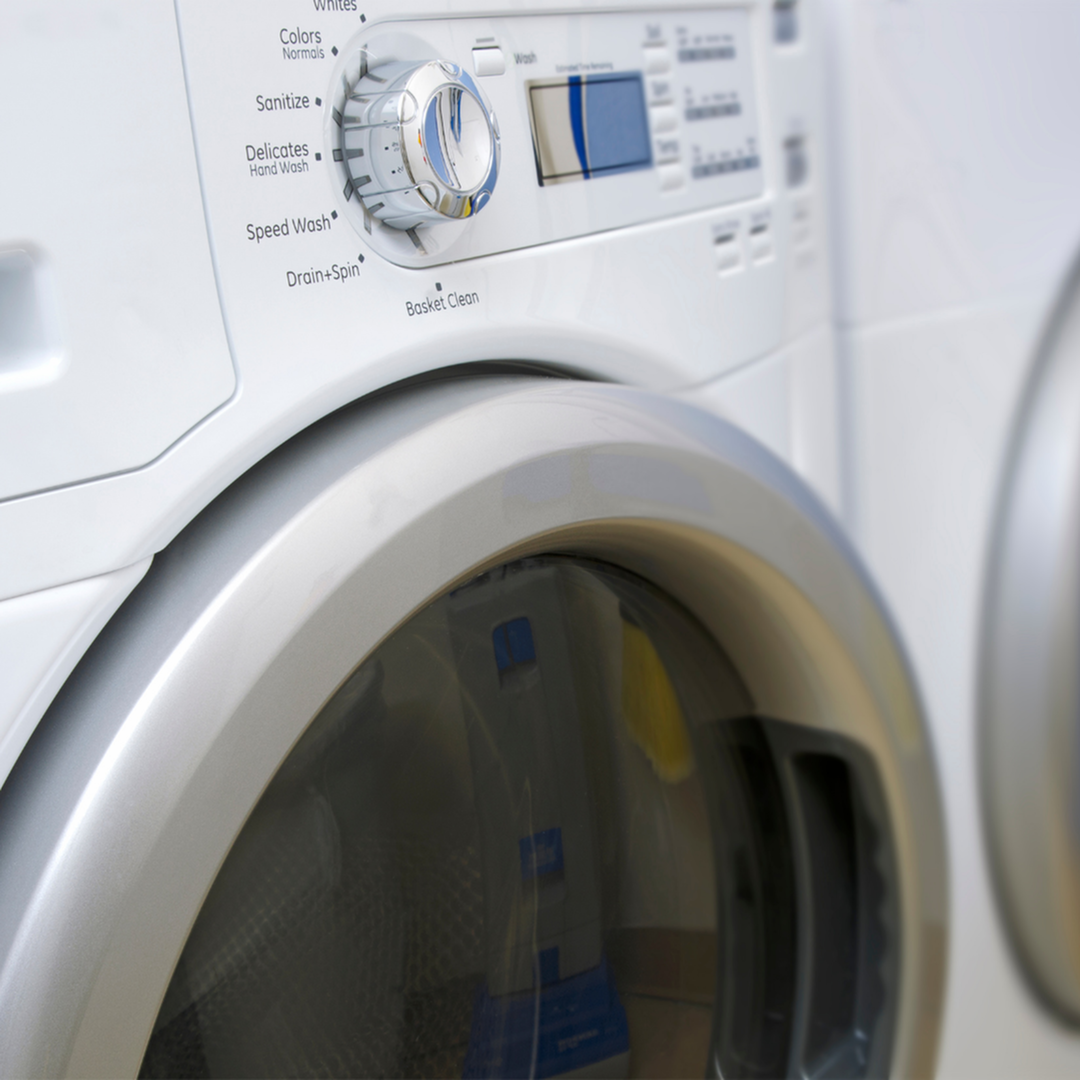
Washer & Dryer In Unit or Washer & Dryer Hookup: Which is Best?-image

At over 100 million, the number of people renting in the US is around 1/3 of the population. With so many renters out there, it’s no surprise that they bring different needs to their apartment searches. Of course, some things prove more universal than others.   For example, everyone wants to ensure the apartment they choose will  offer enough space . Another highly sought after feature are washer and dryers within apartments. Some communities offer in-home laundry, while others offer in-home hookups. Not sure which is best? Keep reading for our overview.   Installation One key factor to keep in mind when deciding between an in-home washer & dryer vs. bringing your own is the installation. In fact, installation is one of the major drawbacks of bringing your own washer & dryer. Transporting the machines from your old home or coordinating delivery if purchasing new machines is a pretty big undertaking.    While getting a washer & dryer into a first-floor apartment may be a manageable task, it becomes substantially more difficult if you live on the second or third floor. Dragging a washer and dryer up several flights of stairs is no picnic, even if everything goes wells. Unfortunately, moving a washer and dryer up the stairs also leaves you more susceptible to injury and the machines open to damage.   With in-home laundry, the installation of your washer and dryer has already been completed by the management company or landlord. By the time you move in, the washer and dryer are already installed and ready to go.   Maintenance A lot of things can go wrong with a washer or dryer. Heating elements can start to go bad, or a part may need to be replaced in your washing machine.    If you bring your own machines, all repairs are your responsibility. If you happen to be very DIY proficient, this may not be an issue. However, if the problem is something that cannot easily be fixed, you’ll need to find an appliance repair technician to come fix the machine, which may end up being costly. If the machines must be replaced, you’ll be responsible for that as well. However, if your apartment comes equipped with a washer & dryer, the landlord or management company will most likely be responsible for fixing the problem. This can ease some of the stress if something does go wrong with your washer or dryer.   Model Selection If you’re moving into an apartment with a washer/dryer hookup, you’ll have the flexibility of choosing your own machines. You can choose a machine that meets your needs and easily upgrade to washer or dryer that has all the latest bells and whistles. You an also select your own models based on water or energy consumption, potentially lowering your utility bills.    Units found in apartments or rentals that come with washers and dryers may not be the most technologically advanced, however, they typically meet the needs of most people and provide a degree of energy and water savings. Although some rentals may have older units that should be upgraded, most property managers and landlords ensure their equipment works well and is up to current standards before issuing it to a new resident. Be sure to ask about features of the laundry in an apartment before making a decision.   Simplicity Those new to renting often lack experience with buying appliances. First-time renters are often overwhelmed with the decisions involved with selecting an apartment and moving in. Renting an apartment that comes with a washer and dryer simplifies your moving process, giving you more opportunity to focus on selecting the perfect new home and getting settled in quickly.   Which is Right for You? In-Unit Washer & Dryer or Hookups? Some apartment will offer in-unit washers and dryers and others will offer hookups. Picking the right option for you takes some consideration. Weighing the cost and hassles of bringing your own equipment against the models being offered by the landlord should be done. Only you can decide whether the additional work is worth it to select a machine tailored to your needs or if the convenience of having machines supplied outweighs all else.   Looking for an apartment in Frederick, MD with a washer & dryer? Prospect Hall Apartments offers in-home laundry in each of our floorplans.  Contact us today  for availability information or to schedule a tour.    

Read more

Get Smart About Credit-image

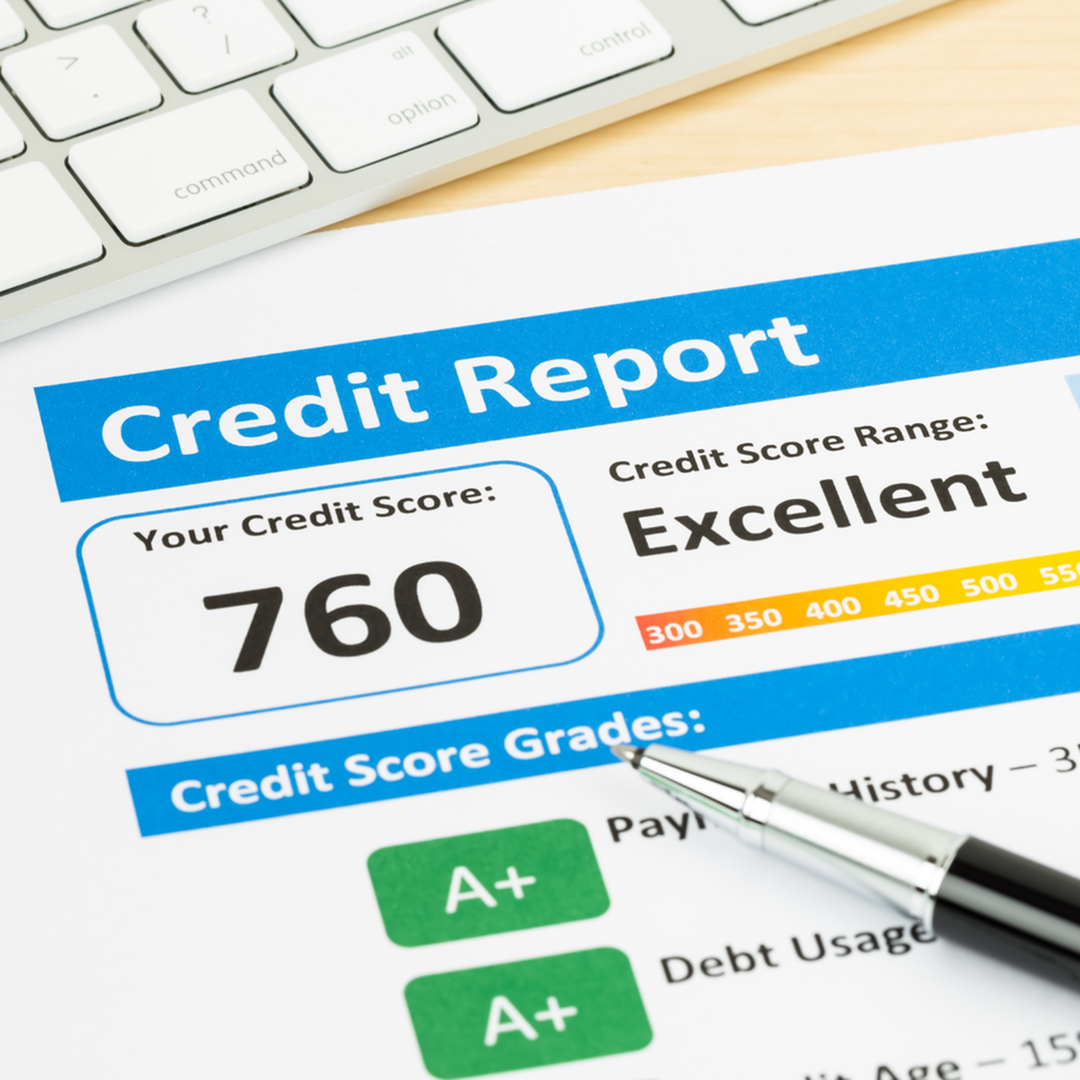
If you find thinking about your finances stressful, you're in good company.  More than 70 percent  of Americans say finances are their biggest source of stress.  Fortunately, getting credit smart doesn't have to be as hard or as scary as it sounds. Here are five easy ways to improve and maintain your credit.  1. Know Your Credit Score Do you know your  credit score ? You should.  Why does your personal credit score matter so much? Put simply, it can open or close doors in every aspect of your financial life.  Adults with strong credit scores: Are more likely to get approved for loans and lines of credit Have more freedom and flexibility when it comes to choosing where to live, what to drive, and how to invest Have more of a safety net when unexpected expenses arise Get better terms on lines of credit and loans, which can save them hundreds of thousands of dollars over a lifetime Adults with low credit scores can spend their lives struggling to achieve their financial goals. Almost everything costs them more They may not be approved for much-needed lines of credit or important loans, such as mortgages Lack of access to good credit can drive them to risky or damaging financial and credit decisions  How Do Find Out Your Score? If you don't know your score, you're in luck.  It isn't hard to find . You can often find your score on your latest credit card statement or on paperwork relating to any loans you may have. Credit counselors working for non-profit or government agencies, such as HUD, can usually provide it as well.  If you've recently completed an  apartment rental  application or other credit application, the lender or apartment company will likely have pulled your credit score and may be able to tell you.  It is important to be aware that each credit reporting company may have a slightly different score for you. Different companies use their own calculations, which can lead to minor variations. Overall, though, your score should be similar from company to company.  2. Know What Affects Your Credit Score (and What Doesn't) The next step in getting smart about credit is understanding what affects your score (and therefore matters) and what doesn't. Credit companies base your score on five things.  How much you owe to all creditors in total How long your credit history is What types of credit you have How consistently you pay your debts on time How much new credit you have applied for Of these things, how consistently you pay your debts on time carries the most weight. The total amount you owe compared to how much you earn and how much credit is available to you is the next most important factor. The third most important factor is the length of your credit history.  What Does This Mean for You? How can you use this information to improve your credit score?  First, if you don't already have a credit history, start one right away! Apply for a credit card or a small personal loan, even if you don't need one. This will open a credit history for you and help you down the line.  If you have teenagers at home, help them apply for and get a credit card as soon as it is safe and reasonable to do so. Even if they have a very low limit or barely use the card, having a line of credit open will help them build a strong credit history early in life.  Second, look at your total debt-to-income and debt-to-available-credit ratios. If you have a lot of debt compared to your income or available credit, work out a plan to pay down your debt to a more favorable level. Talk to a credit counselor for help if you need it.  Third, understand that the most important thing you can do to improve your score is to pay your bills on time. Evaluate your current status in that respect.  Do you pay on time every time? Do you miss an occasional payment? Do you often pay late?  If you struggle with paying on time, get help. Find an accountability buddy, set reminders on your phone, or set up auto-pay when possible. No matter what system you use, paying on time is worth any amount of effort.  3. Clean up Your Credit History Cleaning up your credit history is a quick and powerful way to improve your score. If you intend to submit a credit application for  apartment rental  or to apply for other credit, take time to clean up your score first. It might very well help you get better terms! How does cleaning up your score work?  Three national companies monitor and report on consumer credit scores nationwide. They are: Experian Equifax Transunion Each company is required to provide every consumer with a copy of their credit report upon request once a year. Remember that each company works independently and may have different information on record than the others. It is important to check your report from each company every year.  To clean up your credit history: Request a free copy of your report When it arrives, review it carefully Look for and note any information that is wrong or inaccurate, including dates, numbers, and account status Contact the company and request that they change your history to reflect the correct information  This process doesn't take very long but eliminating old debts from your report can improve your score. Correcting dates can also improve your score if it makes your history look longer.  Cleaning up your credit history can be particularly important if you: Used to be on a joint account with a parent, spouse, or child but are not anymore Paid off or closed out debt in the last year Recently opened a new line of credit Have a common name and have had debts erroneously accredited to you in the past For credit-ninja status, check one report between January and April each year. Check another between May and August, and the last between September and December. This spreads out the burden and limits the amount of time you might go without knowing about errors on your credit history.  4. Know Where Your Money Is Going Just under one-third  of Americans follow a personal or household budget. While it's true that no one enjoys budgeting, you can't live a credit smart life if you don't know where your money is going. At a minimum, every adult should: Periodically review their monthly and yearly expenses Understand what their average take-home pay is Know how much they spend per month on average Know what they have in savings and how much money they are putting in savings each month Without this information, it is impossible to make smart money decisions. If getting a grip on those numbers seems overwhelming, then the next tip is for you! 5. Make Digital Tools Work for You Getting a handle on your finances is important, but you don't have to tackle it alone. Modern money apps and other  smart technology  can help you: Track where your money is going See how much money you have across accounts at a glance Trick yourself into saving money Communicate with your partner or family about money Identify and reach financial goals, such as saving enough for an apartment security deposit Set up and follow a painless budget Teach your kids about money management in engaging ways (If you're the type of person who prefers good old pen-and-paper solutions, trying turning money management  into a game  instead.) Digital tools can take the stress out of money management. They can save time and give you a sense of control that you need to make real changes in your financial habits. You may need to experiment to find the right tools for your needs and lifestyle, but the payoff is worth investing the time and energy up front.  Online Courses Finally, consider taking free online courses about money management or following a few free blogs or youtube channels run by financial experts. These digital tools can help you better understand the larger financial world in which we all live and equip you to make money-savvy choices.  Learn More About Being Credit Smart Now that you have these credit smart living tips under your belt, continue your journey with our other great articles. Learn smart apartment rental tips and tricks that can help you save money and make the most of your credit  on our blog .    

Read more
Questions to Ask When Apartment Shopping-image

Shopping for an apartment is like getting into a new relationship. You first ask the basic questions and then delve into the more detailed information. It can feel like you are looking forever until you find the perfect match, but sometimes it can take time. You probably have done lots of research and narrowed it down to a few contenders. However, before you sign the lease and fully commit to a place, here are some of the top questions that you should get answered to ensure a long and successful relationship with your apartment.  Q1: How do I pay rent? Whether it is electronically or delivering a handwritten check to the leasing, knowing how to pay  rent  is one of the most important things to know. At Prospect Hall, you are able to pay with e-checks, credit cards and cash via MoneyGram. You can view and manage your account any time you want online in our  ResidentPortal . Q2: What is the late rent policy? Most late fees are imposed 5 days after the day rent is supposed to be due. However, this is important information to know depending on how you pay rent because you many need to factor in processing time. We fit the standard as rent is due on the 1 st of every month and is considered late at 5pm on the 5 th . 5% late fees are applied on the 6 th  of the month. Q3: Are utilities included in rent? Knowing if utilities are included in the cost of rent is essential to  budgeting  the rest of your finances. It can be the difference of an apartment being affordable for you or not. It should be outlined in the lease and is different for all properties. At Prospect Hall, utilities are not included in rent which can help you budget in other areas. Q4: What is the parking policy? Knowing the parking situation when looking at different apartments could ultimately help you make a decision about where to live. While some places include parking in tenants’ rent, others may not offer parking at all which could end with you paying expensive street parking fees. Permits are required at  Prospect Hall , even for guests, but it is first come, first serve. Q5: Do you require renter’s insurance? Renter’s insurance can be good coverage to have in case anything were to happen and some apartments even require it, like us! We require  renters insurance  and have a company that you can use or we also recommend that you contact your car insurance company because you can sometimes get a discount by having multiple polices with one provider. Q6: How are repairs taken care of? What is the procedure for emergency repairs? Repairs may not occur all the time, but when something does happen, especially emergency repairs, need to be addressed ASAP. No one wants to be stuck without heat in the middle of winter or with a broken water piper on a Saturday night. Some complexes have maintenance available 24/7, while others have a slower response. Whatever the process may be, it is helpful to know this information beforehand so that you are prepared. For non-emergency work orders, we handle them within 48 hours unless a part is needs. For emergency items, these are handled right away and is outlined in our guidelines. Q7: Can I sublet my apartment? You never know when your personal or job may cause you to have to get up and move. If this is something that you are concerned about, knowing that you can sublet your apartment on short notice is an especially important question to ask when searching for an apartment. Here at Prospect Hall, we do not allow sublets. Q8: How far in advance do I need to give notice before moving out? Some places require a 60 notice of  move out , while others only require 30. Before signing a lease, it is important to know this information so that you do not get stuck in an apartment that you did not want to be in for another year. We require a 30-day notice before move out.

Read more
Top 10 Reasons to Rent an Apartment-image

When determining whether you should  rent or buy , it important to remember what will be most beneficial to you. Whether it is finances or lifestyle, what you value the most will ultimately lead to the best decision.  Becoming a homeowner does have its perks, but here are the top 10 reasons why renting could be a better fit for you. Flexibility If you are not sure about where you want to be or how long you want to be there, renting allows the freedom to relocate and not stay in one place long term. If your job has you moving around a lot, it offers the flexibility of having to move out easily and quickly. Also, since leases usually run on a year-to-year or month-to-month basis, upsizing or downsizing when needed are relatively simple endeavors. Budget There are only two big payments when it comes to renting: rent and utilities. In some cases, landlords even cover utilities, but only having those two payments allows renters to budget their money for other bills or put it into savings.  Maintenance One of the most convenient parts about renting is not having to deal with the maintenance of the property. Whether it is a leaky sink or a broken washer, the landlord is responsible for fixing all problems at no cost while also saving you lots of time and frustration.  Amenities  Whether it is a playground, pool, or being pet friendly, these are just some of the  amenities  that may be included with your rent with an apartment or rental townhome. Having these perks readily available can save renters a substantial amount of money.  No property taxes or HOA dues Homeowners get hit with annual property tax and monthly Homeowners Association (HOA) dues. When renting, it is the landlord’s responsibility to pay those fees which can lead to reducing a tenant’s monthly budget even more.  Different investment opportunities Any type of  investment  is a big one whether it is starting a business and putting money into a retirement fund. Renting a property, instead of buying one, can open up other possibilities for saving and investing. Social life Rental properties provide a great opportunity for social get-togethers since there are so many people in one place. With the common areas in the community and the different events that management organizes, living in a rental property can be an enjoyable and relaxing way to meet new people and try something new.  Mortgage-free There are a lot of costs when it comes to buying a house and the biggest of these costs is a  mortgage . Some people may be able to pay for a house outright, but it can cause others to go into serious debt. By renting a property, you can forgo this debt and just pay a deposit instead. If you do buy a house and the mortgage payment is not fulfilled, then you must pay the rest before you move. Lower insurance Renters insurance  is much more affordable when you compare it to homeowners' insurance. Renters pay much less and there are additional benefits, such as additional living expenses if a disaster strikes and personal liability coverage.  Referral Bonuses A nice little perk that can happen every now and then is a referral bonus. The landlord or  property management company  will give a cash bonus or discount on rent for referring new tenants. Need help deciding which is the best financial decision for you? Click  here  to view a rent vs. buy calculator that can help you sort out your options.

Read more
How to Find a Pet-Friendly Apartment-image

When living in an apartment with your furry friend, there are lots of things to consider to ensure that you and they are as comfortable as possible. Pet-friendly apartment communities should not only allow pets but make sure it is a pleasant place for them too. We can help you find a pet-friendly community perfect for you and your cat or dog.  Guideline Check One of the first things to check for in a pet-friendly community is their guidelines. Not all complexes have the same rules and landlords have different expectations. Some have weight and breed restrictions, while others have fees or deposits to cover any costs if accidents occur. A landlord also might want to have an introduction with your pet to see how they behave. Amenities to Look For                         There are certain amenities that dog-friendly apartments have to improve the lives of dogs and their owners alike. A large green space or patch of grass nearby is essential. A dog park is ideal, but a nice area to walk is great, too. Most apartments that allow dogs will have ample green space and have pet cleanup stations for convenience. For cats , try to consider a place that they can jump on or lay on while you are not home. It also may be important to know whether they like carpet or hardwood so you can take the necessary steps to protect your floor.  Good Neighbor Relationships Making sure your pet is on its best behavior will most likely lead to you having a good relationship with your neighbors. One way to do this is to introduce your pet to them. The more they know your pet, the less likely they are to complain if a situation arises. Another way is to keep the noise level down as much as possible. Easy ways to reduce noise is to buy toys without loud squeakers and keep calm past 10 p.m. Try to walk dogs, frequently, throughout the day, too. Since outside grassy areas are always communal, always remember to pick up after your pet.  The Ultimate Do’s and Don’ts Do train your pet well- the key to a pet’s good behavior is good training . Most pets, especially cats and dogs, should have some basic training and behave moderately well in social situations.   Don’t sneak in pets- This is the biggest no-no of them all. Although, it might be a tempting thought, sneaking in your lovable companion could cost you your apartment. It is better to be upfront about and look for communities that welcome them. Do look for apartments that want pets. While some apartment properties are pet-friendly, others are just pet-tolerant . Look for a place where you and your pet can live happily and comfortably.  

Read more
Tips for Finding Your Next Apartment Online-image

  We’re all spending a little more time at home these days, and we’re doing much more virtually – including apartment shopping. Finding your new home online can be confusing, but we’ve compiled a list of tips to help you get the best information while browsing the internet.   Start with a Budget . Before beginning your search, you should estimate how much you can afford for your apartment each month. Experts recommend anywhere from 25-30% of your take home pay should be allocated to housing. However, these recommendations are guidelines and may be higher than you’d like to spend depending on your circumstances. Check out a budgeting app like  EveryDollar  or  YNAB  to help you get started. Start Searching.   Check out apartment communities in the areas you’d like to live – within the budget you just set. A great way to do this is to search “apartments near me” in the map app on your smartphone or by using  Google Maps  on your computer or device. Get an idea of the amenities and floorplans available within your budget in various parts of town. Start taking notes about options, locations, and floor plan sizes.  Research the Neighborhood.  Using tools such as  Google Maps ,  WalkScore , and  Address Report , you can get a pretty good feel for what an area is like. Be sure to see how far away the nearest grocery stores, pharmacies, and restaurants are. Map out your daily commute during your typical drive times using  Waze . Once you’ve determined the best neighborhoods for you, it’s time to narrow your search down to just those communities within those areas. Be sure to check for school zoning, crime reports, and as much other information as you can find. Begin to Narrow Your List.  Start taking virtual tours of each community on your shortened list. View images of the community on their websites, and search to see if there are any video tours available on YouTube or other websites. You’ll get a pretty good feel for the community before you ever leave your home.  Check Out Online Reviews.  See what other residents and past residents are saying about life at each community. The best places to check for reviews are on Google (it’s easy to see review when searching for the business in Google Maps), as well as  ApartmentRatings.com . Create a Short List.  After you’ve conducted as much research as possible online, it’s best to take your shortlist and drive through each community. While some places are offering tours during the pandemic, others may not be. Depending on your comfort level and the capabilities of the leasing team on site, you may be able to ask for a self-guided tour or a virtual FaceTime or Skype tour of the actual apartment you’re looking to rent.  Apply Quickly.  Once you’ve made your decision and found your new home, be sure to submit an application quickly. Most apartment communities lease homes on a first-come, first-served basis and you don’t want to miss out. Be sure to take advantage of online applications where possible.

Read more
1 2
1 - 6 of 7 total